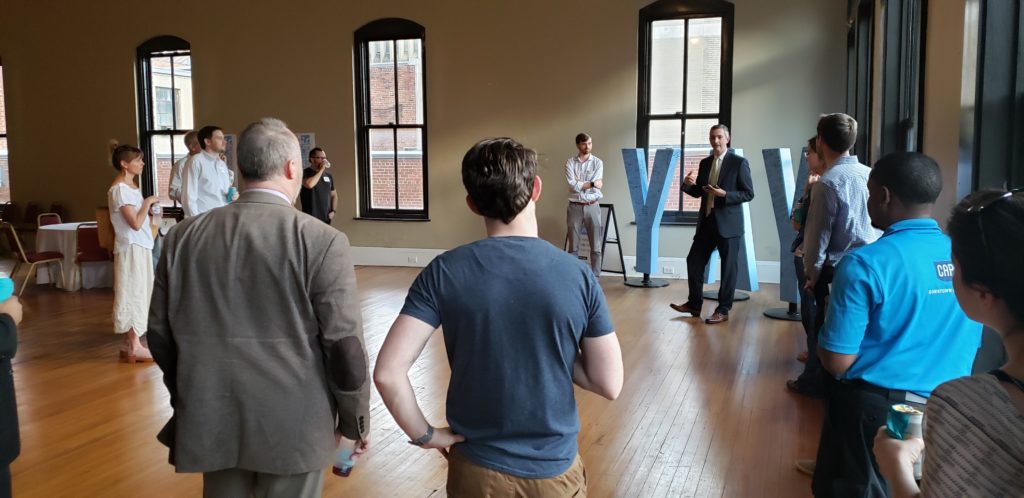
Some property and business owners gave their input, now it’s your turn.
Recently, REV invited stakeholders in downtown Birmingham to speak their minds on three important areas of improvement.
Here’s what they covered:
Clean and safe
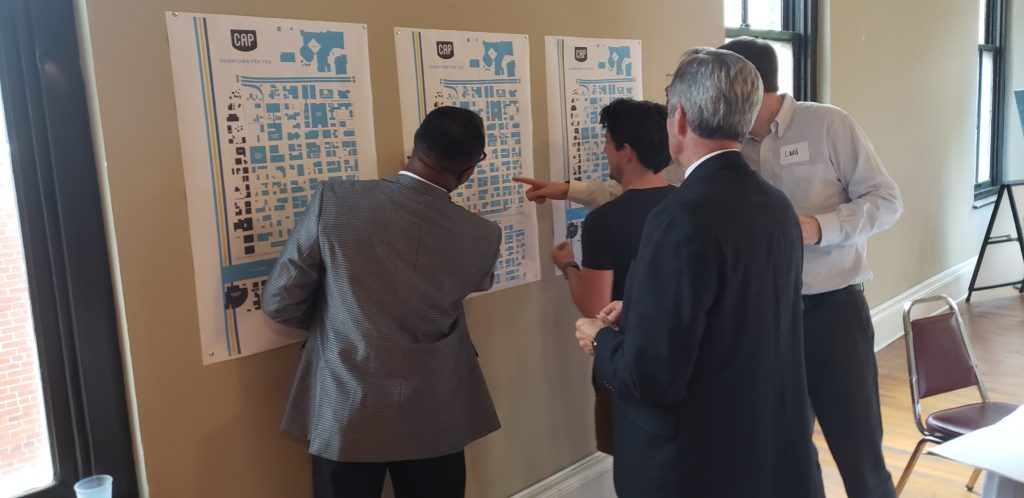
Attendees indicated on a map where in the BID (Business Improvement District) they felt safe and unsafe. Groups also talked about issues such as panhandling and how it affects the downtown experience.
Street Clutter
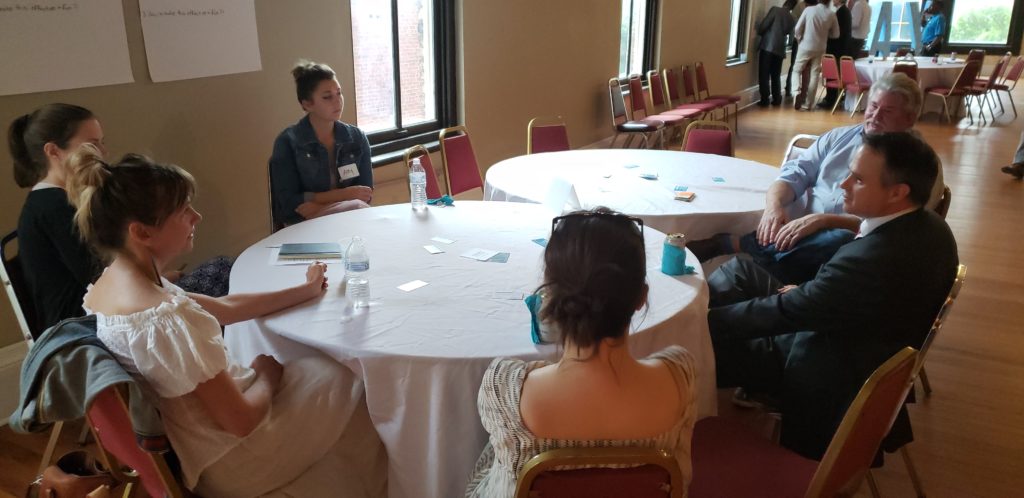
Groups talked about a number of ways to tackle trash in downtown Birmingham, including turning clutter into art projects, finding new uses for abandoned newspaper boxes and organizing clean-up events.
Retail
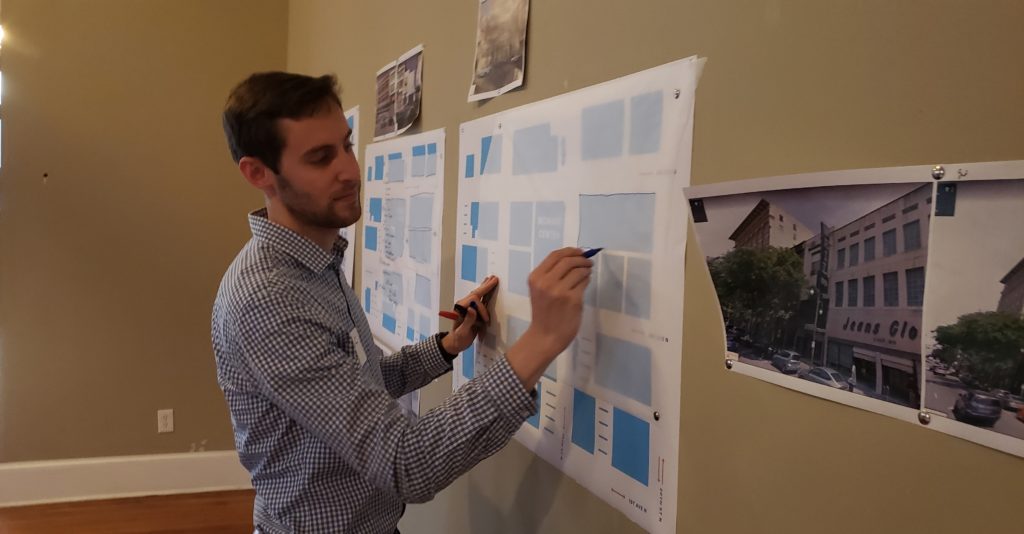
Lastly, stakeholders talked about the kind of retail they want to see downtown including small shops, artists, larger anchor stores and more wellness spaces. More weekend activity and sense of place signage was also suggested.
Couldn’t make it to this event? Don’t worry, your input is still needed.
Related News
-
Amplifying Woodlawn: Will Mason on music, business and belonging
Filed Under: Business-Proving, Filling Vacant Spaces, Front Page, Small Business, Woodlawn, Yaysayers
Will Mason’s journey into Woodlawn is more than a story about expanding a business — it’s a testament to the power of music, community and long-term investment in people. In this Q&A, he shares what drew him to Woodlawn and why he believes music is key to building a brighter future for the district.
-
Safeguarding history, one preservation easement at a time
Filed Under: Developer, Front Page, Historic Preservation, Yaysayers
As longtime preservation advocates, we’re also proud to introduce REV’s own Historic Preservation Easement Program, created to help safeguard Birmingham’s irreplaceable architecture while adding long-term value to development projects involving historic properties.
-
Preservation that pays: How historic tax credits can power a downtown revival
Filed Under: Developer, Downtown Birmingham, Front Page, Historic Preservation
For preservation advocates (or “building huggers,” as we like to call ourselves), historic tax credits are essential. They don’t just help save historic buildings — they support local economies, encourage private investment and breathe new life into spaces that shape the identity of our communities.